

WSU Veterinary School Defends Horse & Goat Killing Labs Amid Student Concerns
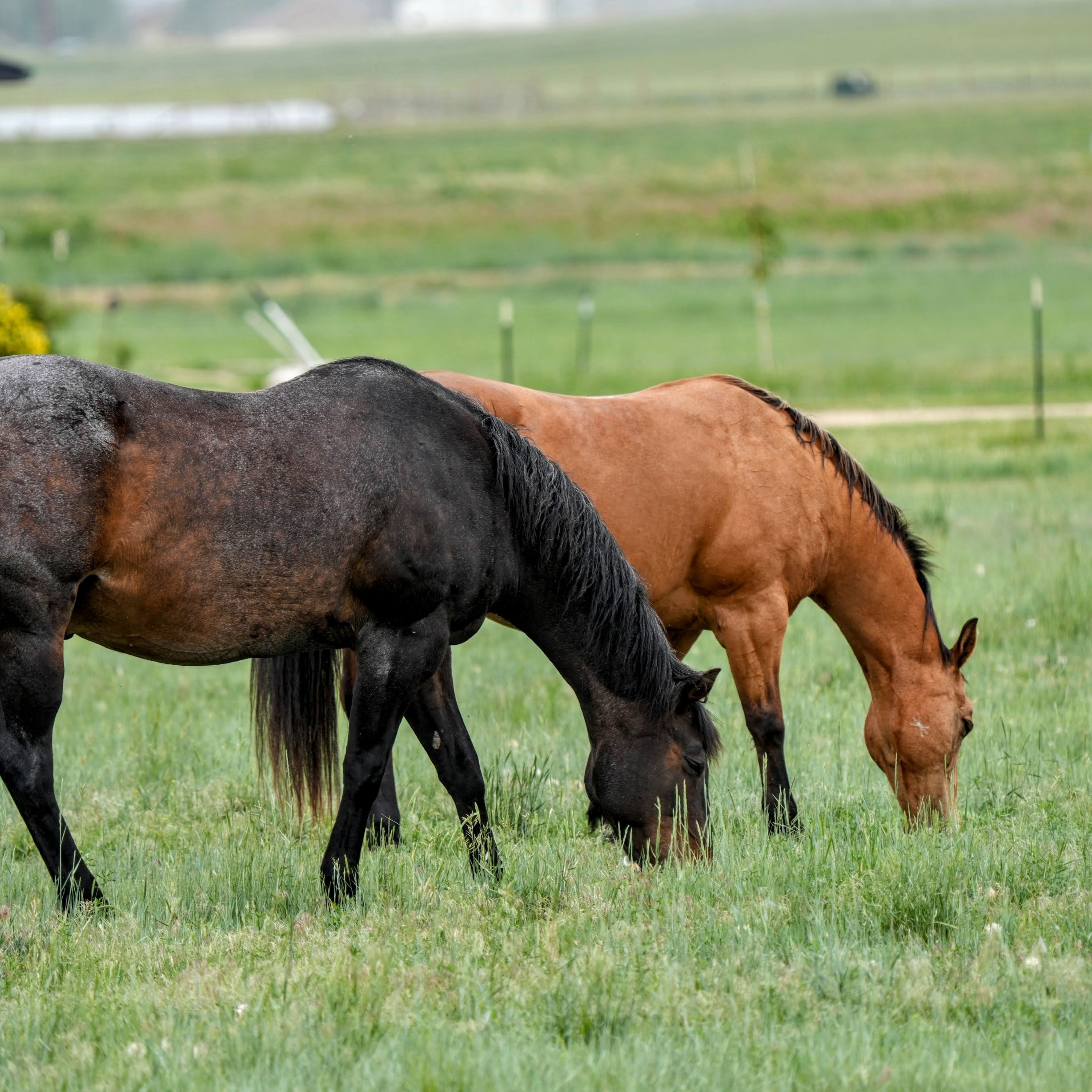
Horses graze in a green pasture.
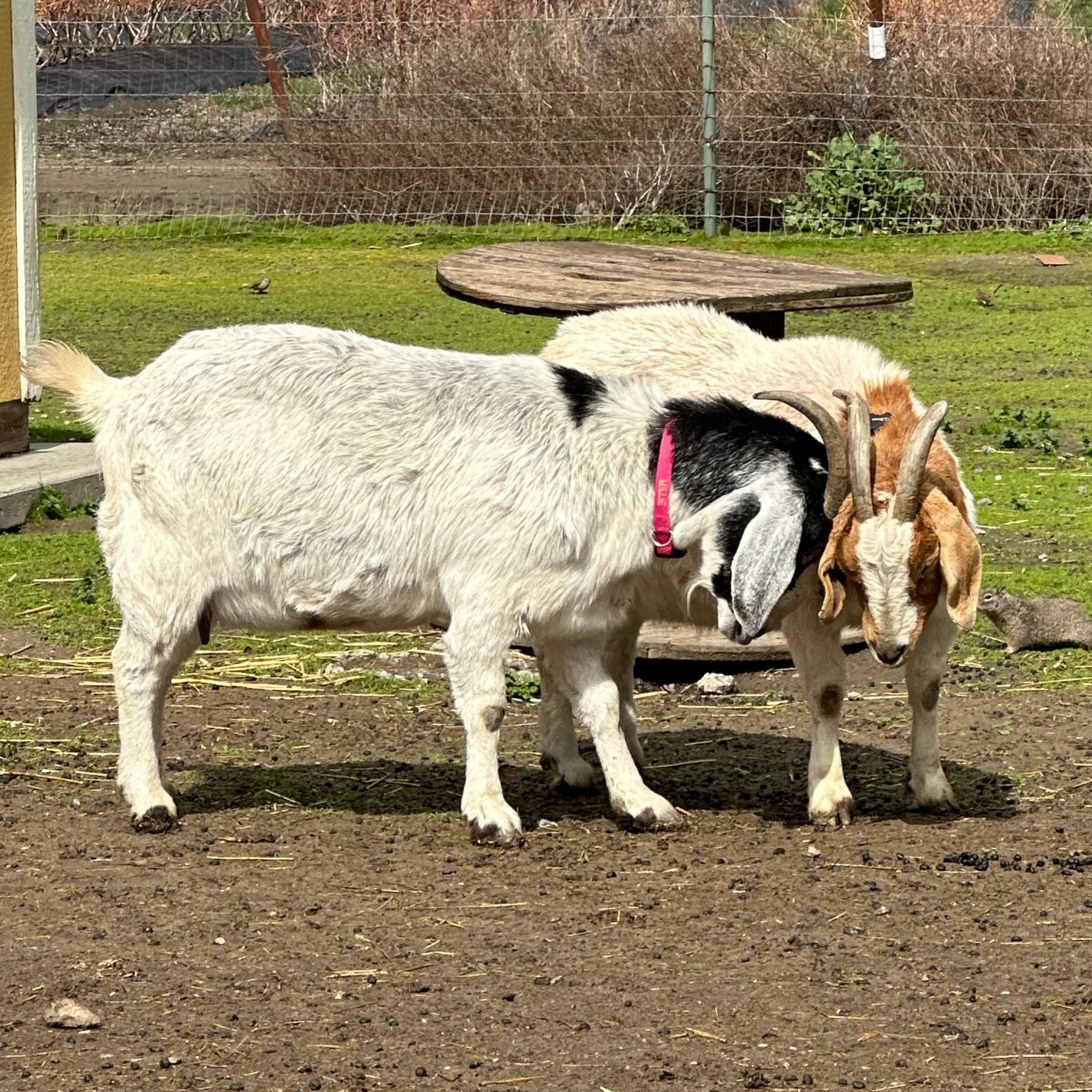
Boer goats at a sanctuary.
Sanctuaries have offered to take the horses as veterinarians and students urge WSU to pause the lab and reconsider the animals’ fate.
Veterinary medicine should prepare students to serve animals and society. WSU has the opportunity to show leadership in veterinary education and exemplify the principles and pedagogy it stands for.”
PULLMAN, WA, UNITED STATES, March 6, 2026 /EINPresswire.com/ -- Veterinarians, veterinary students, and alumni are calling on Washington State University’s College of Veterinary Medicine to immediately suspend a terminal surgery laboratory that will end the lives of eight horses and approximately sixty goats in the coming days. Advocates say the animals could instead be adopted or transferred to a sanctuary.— Larrea Cottingham, 4th Year Veterinary Student
Terminal laboratories are teaching exercises in which animals are subjected to invasive procedures and then killed. Critics say the practice is outdated and unnecessary, particularly when healthy animals are involved.
The situation came to light when WSU senior veterinary student Larrea Cottingham asked last year whether the animals used in the course could be adopted instead of having their lives ended. She was told adoption was prohibited under the United States Department of Agriculture (USDA) policy. However, no blanket USDA policy prohibits the adoption of research animals, and neither WSU nor the USDA verified the claim until Cottingham repeatedly pressed the issue.
The USDA does restrict the release of animals used in certain infectious disease studies when they pose a health risk. Cottingham repeatedly asked whether the horses used in the course were infected. For months, she did not receive a clear answer, prompting her to submit a public records request seeking clarification.
After the request was filed, the university confirmed the horses were not infected and had not been actively used in a research study. According to correspondence from the college administration, the horses would have been eligible for adoption.
Despite this, the horses are still scheduled to be used in terminal surgical training exercises in which third-year veterinary students perform enterotomies, a complex abdominal surgery.
Enterotomies in horses are typically performed by board-certified equine surgeons following years of specialized residency training. The American Association of Equine Practitioners clinical skills list for new veterinary graduates does not include enterotomy as a required competency, raising questions about the educational necessity of the procedure.
University administrators have indicated that the course will proceed because the curriculum is already scheduled. In correspondence with a student, Dean Dori Borjesson wrote that the horses “would have been eligible for adoption had we known in time to alter this year’s course (classes are selected and scheduled far in advance).” She also noted that students might be dissatisfied if the course changed mid-year because they are already receiving a “reduced experience.”
Critics say that the explanation is inconsistent with the university’s newly approved (February 11, 2026) animal-use protocol. The Institutional Animal Care and Use Committee (IACUC) protocol used to approve the laboratory states that animals used in the course are “purchased from animals that would be sent to slaughter (p. 4).”
However, the horses currently scheduled for the lab were not destined for slaughter. They were transferred from a USDA research program and were healthy and adoptable. Veterinarians argue that this discrepancy means the ethical justification presented to the IACUC does not accurately reflect the circumstances of the animals now being used.
Under federal Animal Welfare Act regulations, Institutional Animal Care and Use Committees must review and approve animal activities based on a complete description of how animals will be used. Activities must then be conducted in accordance with the approved protocol.
“Federal regulations require that animal use protocols provide a complete description of how animals will be used so the IACUC can conduct an informed review,” said Dr. Crystal Heath, Executive Director of Our Honor, who recently authored a paper about veterinary school terminal laboratories in the Journal of Veterinary Medical Education (https://utppublishing.com/doi/full/10.3138/jvme-2024-0092). “If the justification for terminal procedures is based on the claim that animals were otherwise going to slaughter, and that claim is not true for the animals actually used, that is something the university should review immediately.” Heath sent an email to the IACUC and is awaiting further action.
Believing that some students may not have been formally informed that the horses were healthy and able to be adopted, Cottingham sent an email to her classmates about the situation. Dean Borejesson responded, saying, “Unless we hear otherwise from those in charge of the animal approval process, we will not be making curricular changes deep into a course and 2 weeks prior to the lab.” The response failed to acknowledge that the horses are healthy and adoptable.
“Live-tissue handling is an important part of surgical training,” Cottingham said. “WSU has already demonstrated that veterinary students can achieve surgical competency without terminal labs in the rest of its curriculum.”
Many veterinary schools have replaced terminal laboratories with service-based surgical training programs, where students perform necessary procedures for animal owners under supervision. These programs often include castration clinics for horses, goats, pigs, and sheep, or partnerships with rural communities that lack access to veterinary services.
Advocates say such models both train students and help address the growing shortage of large-animal veterinarians in rural America.
Washington’s Homes for Animal Heroes Act requires public institutions to make reasonable efforts to adopt out dogs and cats used in research but does not extend that protection to other species. Cottingham is calling on WSU to apply the same principle to horses and goats used in veterinary training.
The university has stated that future courses will no longer include the terminal horse lab, but advocates say that commitment does not address the horses and goats scheduled to be used this year.
“There is still time to prevent these animals from being killed,” Heath said.
Triple J Horse Haven in Apple Valley, California, has already agreed to accept the horses.
Potential homes for the goats have also been identified. In many regions of the western United States, goats are used in conservation grazing programs to control invasive plants and reduce wildfire fuel loads.
“Veterinary medicine should prepare students to serve animals and society,” Cottingham said. “WSU has the opportunity to show leadership in veterinary education and exemplify the principles and pedagogy it stands for.”
Crystal Heath, DVM
Our Honor
+1 925-212-3918
email us here
Legal Disclaimer:
EIN Presswire provides this news content "as is" without warranty of any kind. We do not accept any responsibility or liability for the accuracy, content, images, videos, licenses, completeness, legality, or reliability of the information contained in this article. If you have any complaints or copyright issues related to this article, kindly contact the author above.
